

Ceramic ball/beads/sand B60 for sand blasting 316 stainless steel
Introduction for ceramic ball:
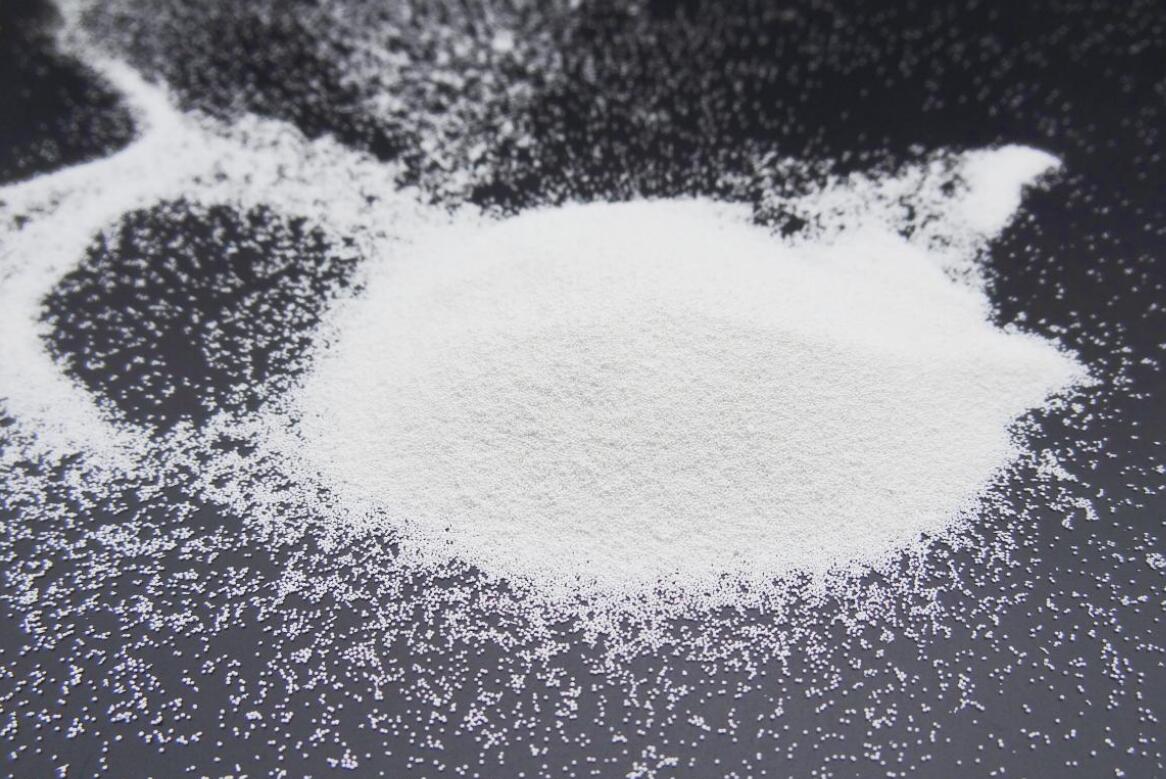
Ceramic ball are made from imported Australian ILUKA zircon sand, which is sintered at high temperature using an electro-melting method and then blown into a spherical shape. Its unique internal structure ensures its high hardness and impact resistance. The spherical shape, perfectly smooth surface, and dust-free characteristics provide a prerequisite for a good working environment. At the same time, its stable chemical inertness ensures that it will not contaminate the workpiece being treated.
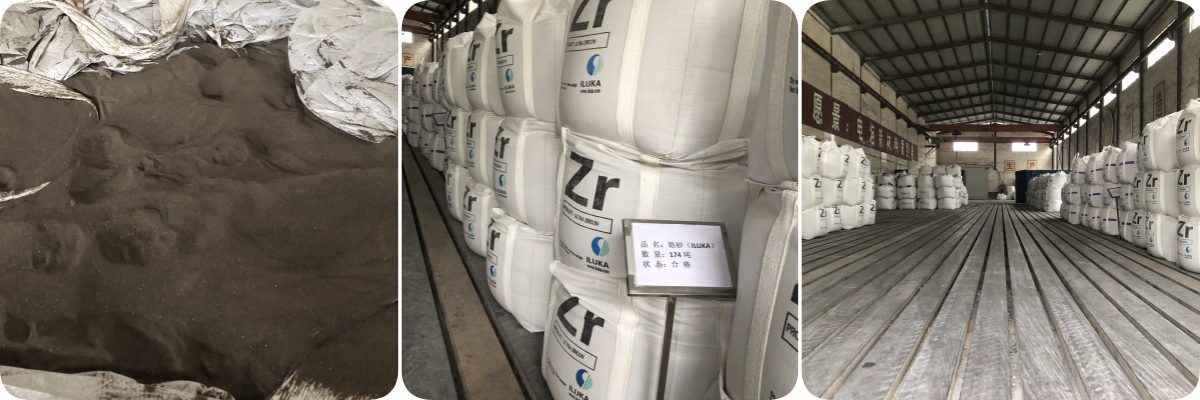
Raw Materials Workshop:
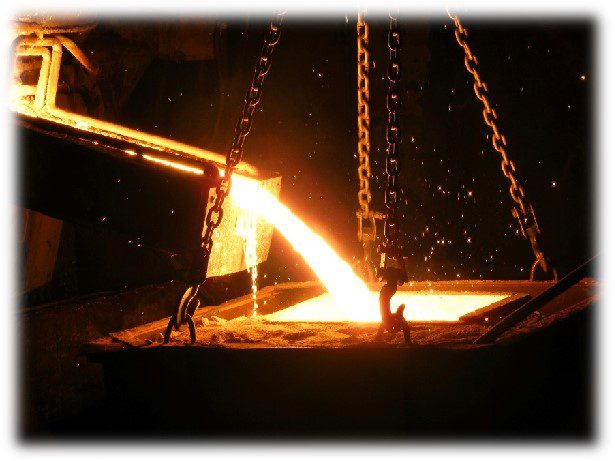
Smelting:
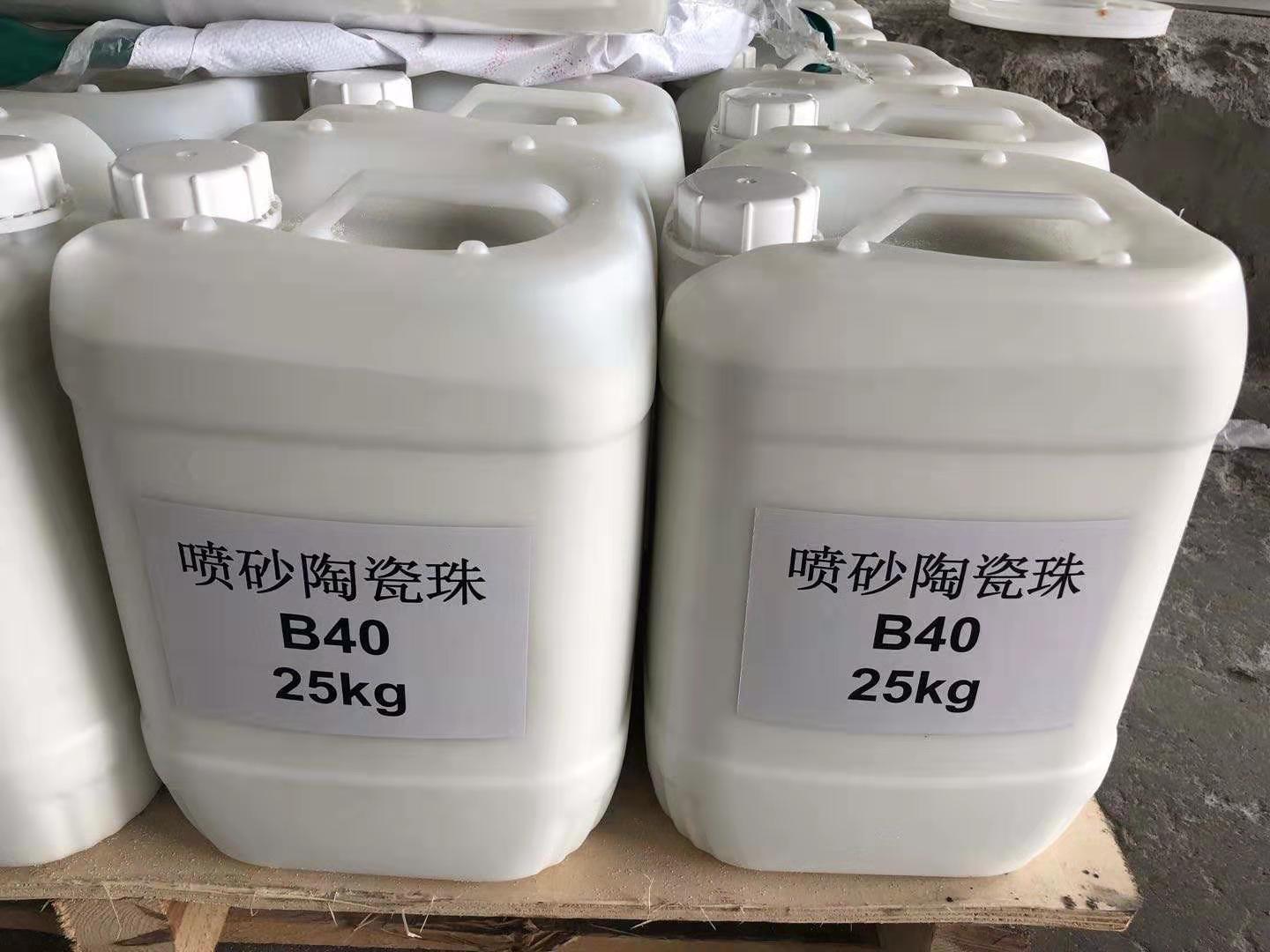
Common sizes of ceramic ball (specialized specifications suitable for customers can also be developed in cooperation with customers):
| B20:0.600-0.850mm | B30:0.425-0.600mm | B40:0.250-0.425mm | B60:0.125-0.250mm |
| B80:0.180-0.250mm | B100: 0.125-0.180mm | B120:0.063-0.125mm | B125:0.000-0.125mm |
| B170:0.045-0.090mm | B205:0.000-0.063mm | B400:0.03-0.063mm | B505:0.010-0.030mm |
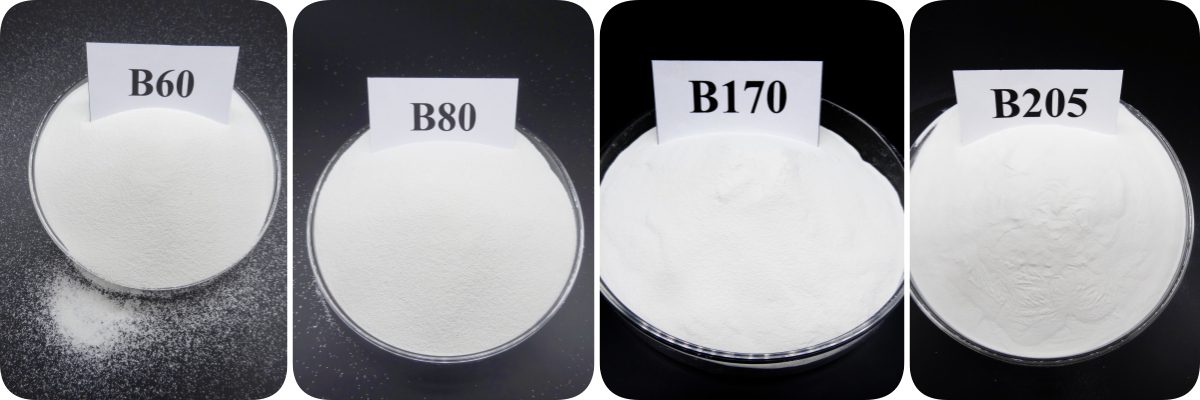
Pictures for ceramic ball:
Chemical and physical data for ceramic ball:
ZrO2 | SiO2 | Al2O3 | density | Bulk density | Hardness |
60 -70 % | 28 -33 % | < 10 % | 3.85 | 2.3 | 700(HV0) 7 (F. Mons) 60HRC(HR) |
Advantages of Ceramic Beads:
The microstructure of ceramic beads consists of extremely fine ZrO2 particles (typically 1-2 μm in diameter) distributed in a tile-like pattern on a SiO matrix, resulting in excellent wear and impact resistance. On the other hand, it also maintains its strength and hardness, thus giving ceramic sand its superior wear and impact resistance. A coarse microstructure not only reduces the strength and hardness of the projectile but also decreases its toughness, leading to premature breakage and fragmentation during use.
1. Ceramic beads is spherical, has a smooth surface that does not damage the workpiece, high hardness, long lifespan, and good elasticity. During sandblasting, the abrasive particles rebound at multiple angles, making it ideal for complex structures (metal and plastic). It also relieves stress and improves workpiece fatigue life.
2. Ceramic beads is recyclable, reducing the frequency of material changes and increasing production efficiency. The sandblasting process is not easily broken, produces no dust or metal pollution, is clean and environmentally friendly, and poses no silicosis risk, contributing to employee health.
3. Ceramic beads is lightweight yet highly hard, making it ideal for sandblasting and strengthening and shaping metals such as titanium alloys, aluminum alloys, and high-temperature alloys. 4. It does not cause pollution to the treated parts or products.
5. It reduces dust, extends equipment lifespan, and improves the working environment.
6. Compared to glass abrasive, it offers a higher level of smoothness and a lifespan approximately 20-30 times longer.
Comparison of ceramic beads:
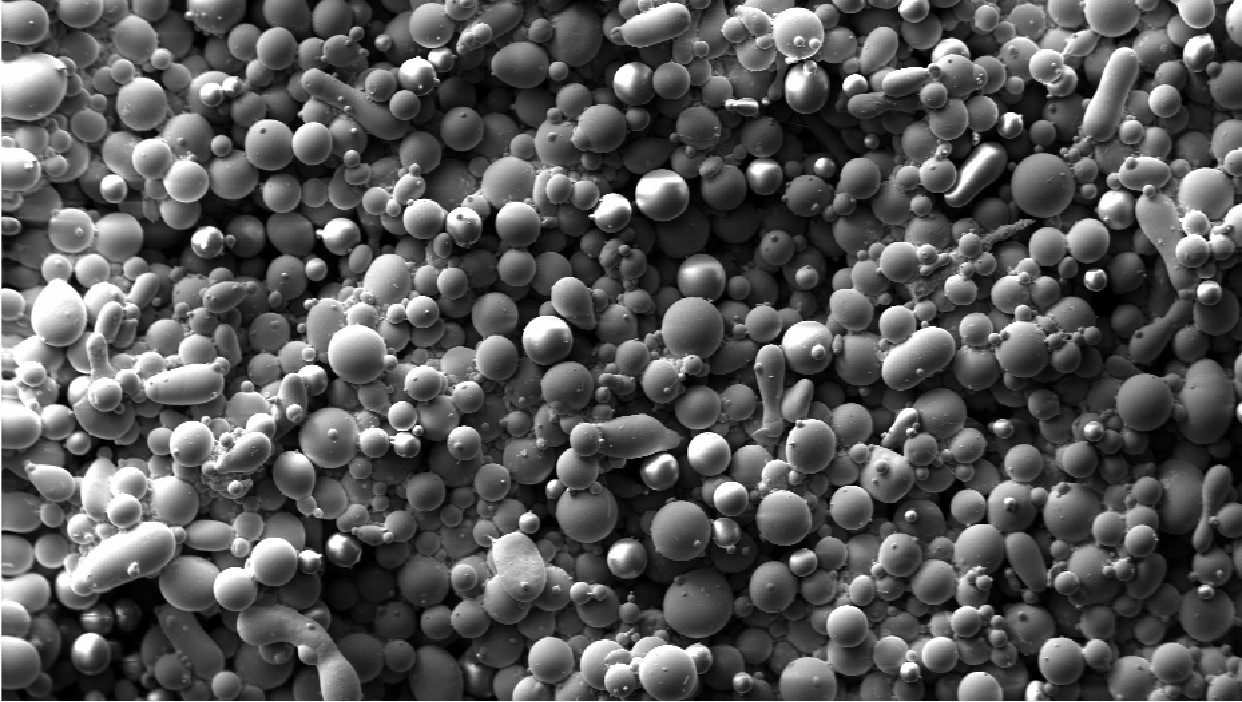 | 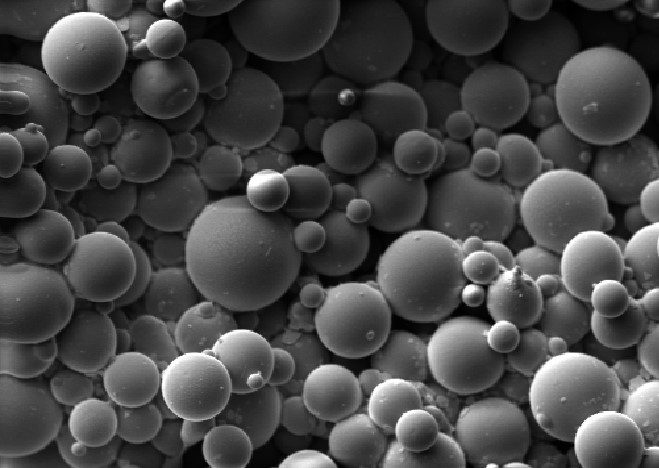 |
| Oval-shaped balls, snowman-shaped balls Lower losses Higher gloss The consistently stable roughness and luster throughout | Compact and uniform, with good spherical shape Higher losses Low glossiness The unstable changes in the surface finish during the initial stage of sandblasting |
Common applications of sandblasting ceramic ball:
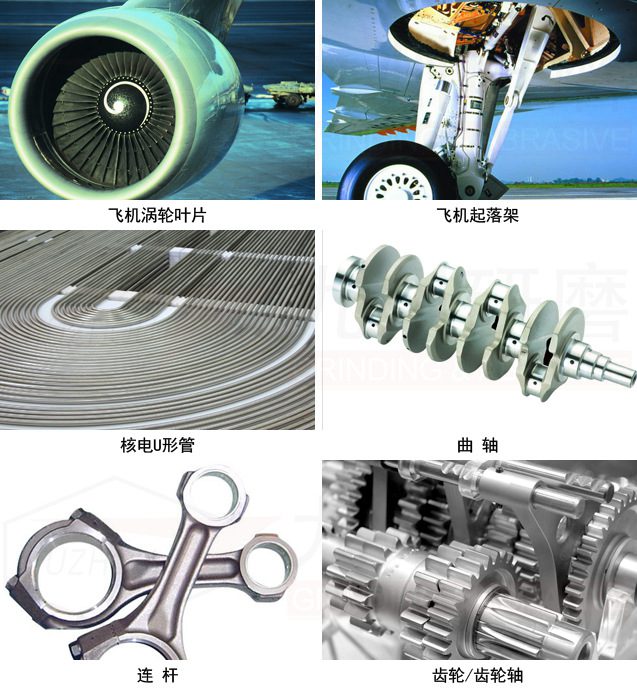
1. In the military field—used for surface strengthening and stress relief of precision cast parts such as aircraft turbine blades and shafts, ordnance, and various spring, gear, and hydraulic components.
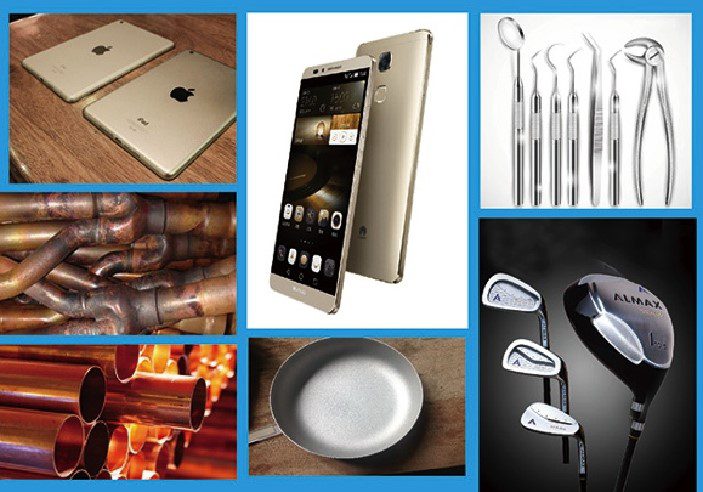
2. In the civilian field—used for tool cleaning, surface finishing, and surface pretreatment of various metal products such as titanium alloy and stainless steel processed parts and products (stainless steel tableware, kitchen utensils), textile machinery parts, forging and pressing abrasives, machine-pressed abrasives, and medical devices; descaling, rust removal, deburring, strengthening, and polishing. Also used for cleaning abrasives in glass processing, tire manufacturing, and plastic molding.